The Song of Achilles
by Madeline Miller
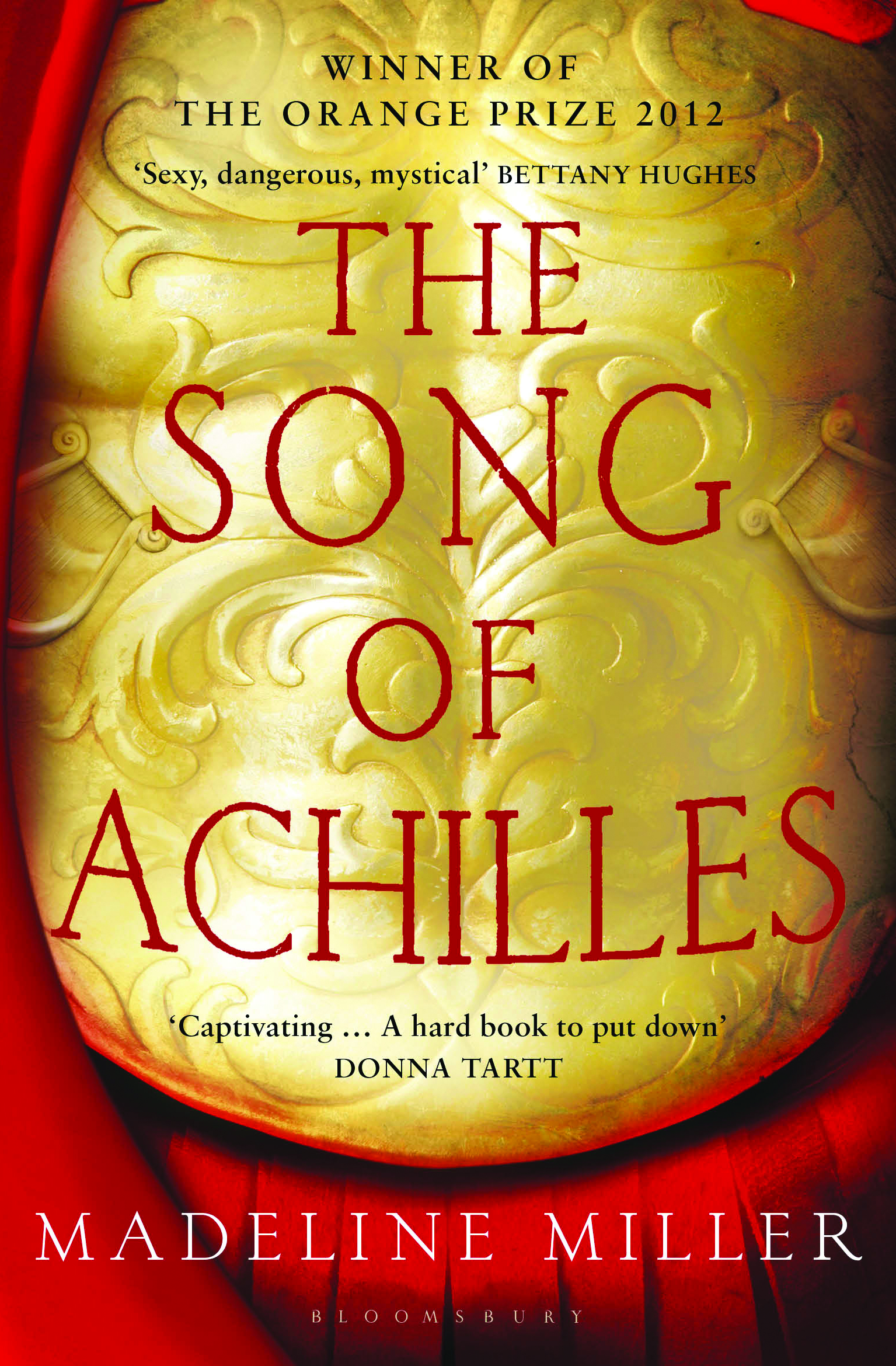
Greece in the age of heroes. Patroclus, an awkward young prince, has been exiled to the court of King Peleus and his perfect son, Achilles. Despite their differences, Achilles befriends the shamed prince, and as they grow into young men skilled in the arts of war and medicine, their bond blossoms into something deeper – despite the displeasure of Achilles’ mother Thetis, a cruel sea goddess. But when word comes that Helen of Sparta has been kidnapped, Achilles must go to war in distant Troy and fulfill his destiny. Torn between love and fear for his friend, Patroclus goes with him, little knowing that the years that follow will test everything they hold dear.
Beginning:

The Scene at the Beach:

EVERYTHING at Mount Orthrys:


EVERYTHING TOWARDS THE END:



It’s been nearly a month since I read this book and only now I am making a review because THE.FEELS.IS.TOO.MUCH. Until now, I still can’t get over this book. And I think I never will. My heart’s been through too much. By the time I finished reading, my tear ducts were dried out, my heart constricted too many times, my life lost all color and then I cried again and again. and again.
Reading this is like reading Romeo and Juliet. We all know the story. We all know the outcome. We all know that our desperate prayers for someone, anyone to step in and save these characters from themselves will fall on deaf ears. Gods. What a bloody train wreck. Even though I knew how it was going to end, I was not prepared for how much I cared. I wanted to just literally go in the book, in that world, grab onto Achilles’ shoulder and shake him vigorously and yell at him and cry and shout and then hug him and cry some more.
There were two moments in the book that really, really, REALLY tore my heart out and shredded into a million pieces. The first was when Patroclus was begging Achilles to get out into battle and save their men but Achilles wasn’t budging. Until it got to the point where Patroclus knelt down and asked Achilles to save their people for him. And when Achilles heard that, I could just imagine his expression, the way his face falls, his heartbreak evident in his eyes.
“I knelt and pressed his hands to my face. My cheeks flowed with tears, unending, like water over dark rock. ‘For me then,’ I said. ‘Save them for me. I know what I am asking of you. But I ask you. For me.’ “He looked at me,and I saw the pull my words had on him, the struggle in his eyes. He swallowed. ‘Anything else,’ he said. ‘Anything. But not this. I cannot.’ I looked at the stone of his beautiful face, and despaired, ‘If you love me -‘
‘No!’ His face was stiff with tension. ‘I cannot…'”
The second moment was when Achilles learned of Patroclus’ death. The moment he saw Patroclus on the shroud, he instinctively reached for his sword, until he realizes that he gave his sword to Patroclus. Do you realize what that means? Upon realizing that Patroclus was dead, the first thought that comes into his mind is to reach for his sword to kill himself. Because he doesn’t want to live in a place, a world, where Patroclus is gone. If that isn’t love I don’t know what is.
Madeline Miller did what the movie producers of the film Troy (2004) were too cowardly to do; she stayed true to the homosexuality of Homer’s Iliad rather than writing a censored version of the story which stank of homophobia. Achilles and Patroclus were passionately in love, which resulted in their respective destruction. They were not cousins or man at arms, but soul mates. The watering down of this in the film Troy was an insult to the LGBT community. Nothing more. Nothing less.
The attraction between these two men wasn’t something that was rushed and squandered. It was built up, ever so slowly, and delivered eloquently. The two were friends from boyhood, and Patroclus was charmed by Achilles after just one glance. He didn’t want to be parted from him. The two grew up together, they fought together, they learnt together and they developed together. They became inseparable and reliant on each other. Their relationship matured just as they did.
Like all relationships, there were issues. The two weren’t without their differences. They clashed and quarreled but only because they truly cared for each other. Patroclus wanted to end the war, and Achilles didn’t think the fight was worthy of his name: he wanted a bigger war to fight in. So, Patroclus, in his most bravest and stupid move goes against his lover’s wish and tries to end the war with a stroke of his sword. But he is no Achilles: he is not a god of war. He was out of his league, hopeless and outmatched.
The book is certainly appropriate for YA and up. The prose is elegant in its simplicity. Miller gives Patroclus a Hemmingway-like directness. I read a New York Times review of this book which I thought patently unfair, complaining that the style made the book seem like a fast-food version of the Iliad. I think this misses the whole point of the story. Patroclus’s mission in The Song of Achilles is to cut through the legend of the hero and show us the mortal side of demigod. He doesn’t want the pompous metaphors and flowery hyperbole of a war epic to bury Achilles’s other qualities — his tenderness, his insecurity, his honesty and lack of guile. The Song of Achilles can serve as an excellent introduction or counterpoint to the study of the Iliad.
I cannot say enough about this book. To me, this is literature at its finest. A beautifully written, masterfully crafted story capable of transporting readers within its pages, so enchanting them with what they find within that they forget that the real world lurks without, waiting for their return. I would read this book over and over again.

 THE B WORD